
How to Master AC Efficiency in Extreme Texas Heat
28 August, 2026Key Takeaways
- Uneven temperatures can result from airflow problems, ductwork, solar heat gain, insulation, occupancy, equipment sizing, or ineffective controls.
- HVAC zoning can give different areas of a commercial building more independent temperature control.
- HVAC air balancing helps identify and correct differences in airflow between spaces.
- A thermostat adjustment will not solve a comfort problem caused by restricted airflow, duct issues, or excessive heat gain.
- The most effective solution starts with identifying why one area is uncomfortable rather than simply changing the temperature setting.
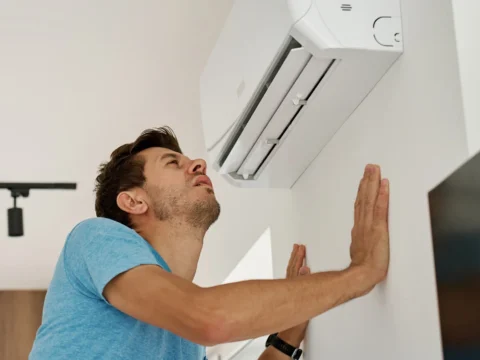
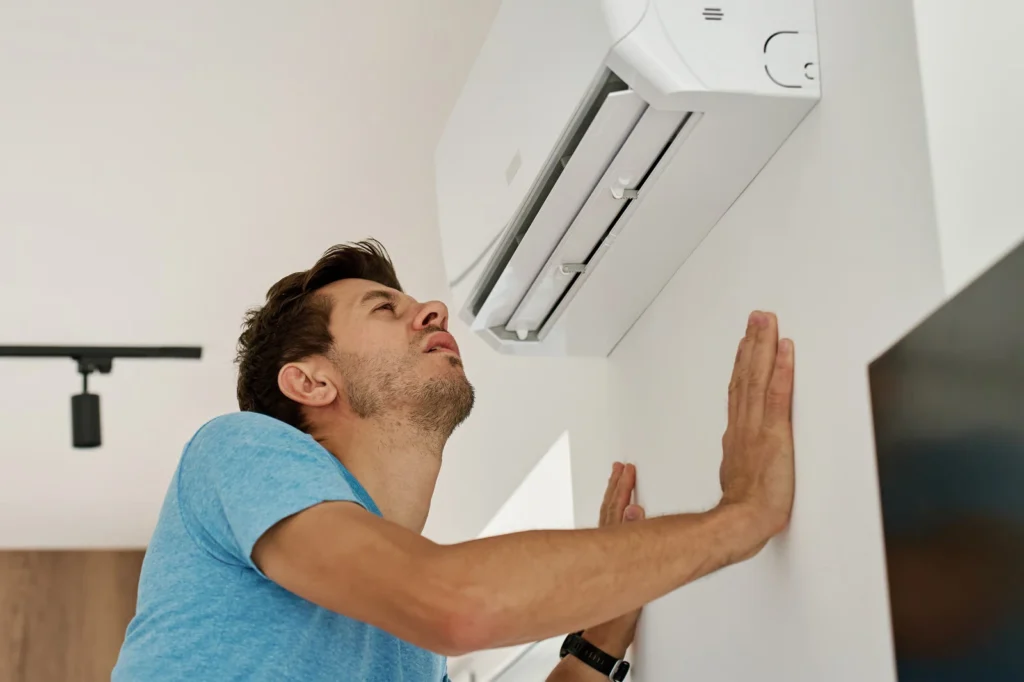
One employee is reaching for a sweater while someone across the hall is opening a window. In a retail store, customers may feel comfortable near the entrance but noticeably warmer farther inside. These hot and cold spots can be frustrating, particularly when the thermostat appears to show a perfectly reasonable temperature.
The problem is often more complicated than an air conditioner that is simply “not working.” Airflow, building layout, occupancy, sunlight, ductwork, equipment capacity, and controls can all influence how individual spaces feel. The U.S. Department of Energy notes that space conditioning represents a significant share of commercial building energy use, making efficient temperature management an operational concern as well as a comfort issue.
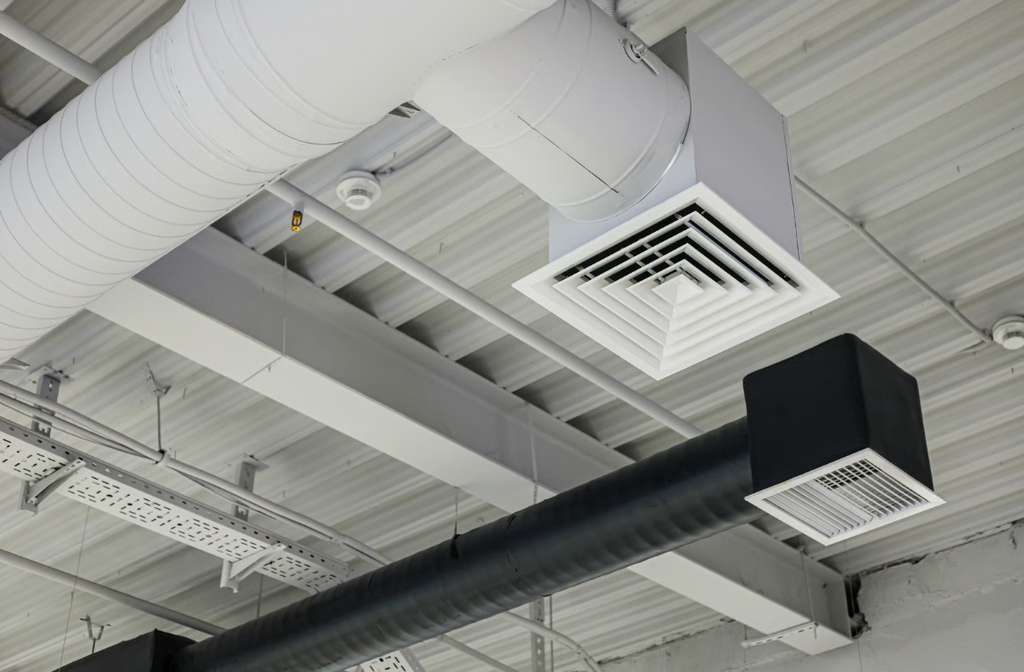
Why One Part of a Building Feels Different
A commercial building does not experience the same heating and cooling demand everywhere.
An office with several computers and people working throughout the day may generate considerably more internal heat than a lightly occupied room. A conference room can change dramatically once a dozen people enter it. Meanwhile, a west-facing retail window can absorb substantial afternoon solar heat.
Outdoor conditions matter, too. Frequently opened doors can introduce warm or cold air, while differences in insulation and windows can cause certain rooms to gain or lose heat faster than others.
Even furniture and room configuration can influence airflow. A rearranged workspace, newly installed partition, or blocked supply register may change how conditioned air reaches a room.
This is why a building can have a functioning HVAC system and still struggle with uneven temperature.
Look at Airflow Before Blaming the Thermostat
Turning the thermostat up or down is an understandable first response. It is rarely a complete solution.
If a supply register is blocked, a return is restricted, a filter is dirty, or ductwork is leaking, changing the thermostat does not address the underlying problem. The system may simply operate longer while the uncomfortable room remains uncomfortable.
This is where HVAC air balancing can provide useful insight. Air balancing involves measuring airflow at different points in the system and making adjustments so conditioned air is distributed more appropriately throughout the building.
It can be particularly valuable after renovations or changes to the interior layout. A system that was balanced for the original floor plan may no longer distribute air effectively after walls, workspaces, equipment, or room uses have changed.
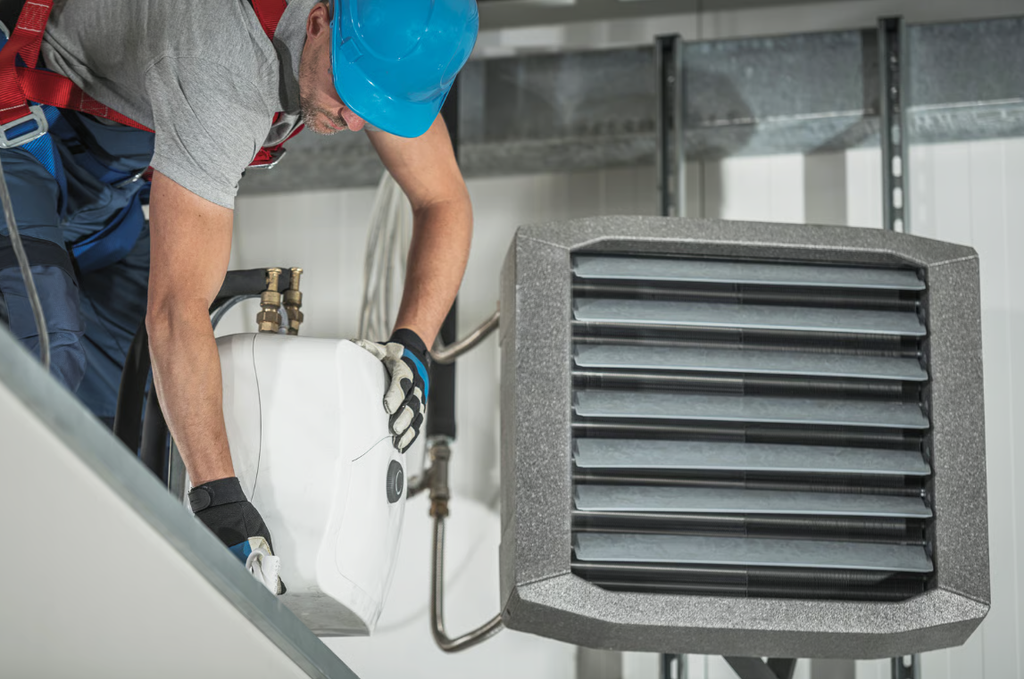
When One Thermostat Is Not Enough
Imagine a building with private offices, a busy conference room, a reception area, and a storage space. Expecting all four areas to maintain the same temperature requirement from one thermostat may not be practical.
An HVAC zoning system divides a building into separate areas that can be controlled according to their individual needs. With appropriate HVAC zone control, a frequently occupied room can be managed differently from a space that is rarely used.
Zoning can be particularly useful when temperature differences are predictable. For example, a sunny showroom may require more cooling during afternoon hours, while an interior storage area may have a relatively stable load.
However, zoning should not be used to mask mechanical problems. If ductwork is damaged or equipment cannot meet the building’s demand, adding controls alone will not necessarily resolve the comfort complaint.
Your Building May Be Part of the Problem
Sometimes the HVAC equipment is doing exactly what it was designed to do.
A poorly insulated wall, large unshaded window, leaky exterior door, or heat-producing piece of equipment can create a localized cooling demand that overwhelms the surrounding space. Retail stores are particularly sensitive to this because entrances, display lighting, customer traffic, and large glazed areas can all affect indoor conditions.
This is why effective building temperature control requires more than looking at the HVAC unit. The building envelope, internal heat sources, ventilation, occupancy, and airflow all interact.
The U.S. Energy Information Administration’s commercial buildings data also shows how significant heating and cooling demands can be within commercial properties.
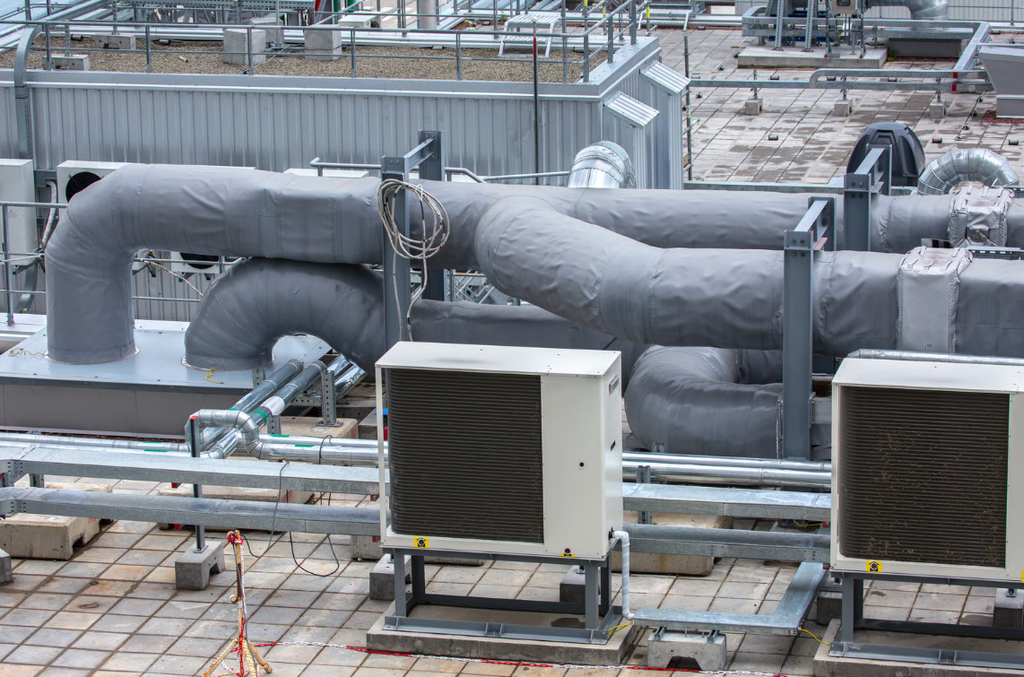
A Better Way to Diagnose Hot and Cold Spots
Before changing equipment, look for a pattern.
Does the problem appear every afternoon? Does one room become uncomfortable only when it is occupied? Is the temperature difference present year-round, or only during extreme outdoor conditions?
Those details can help distinguish between different causes.
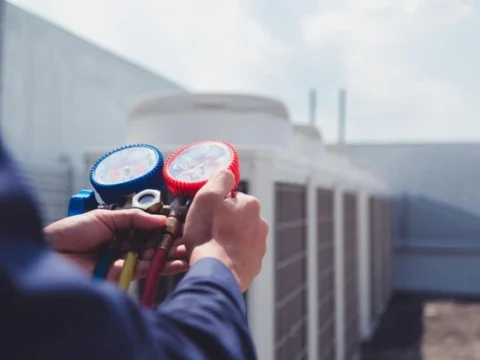
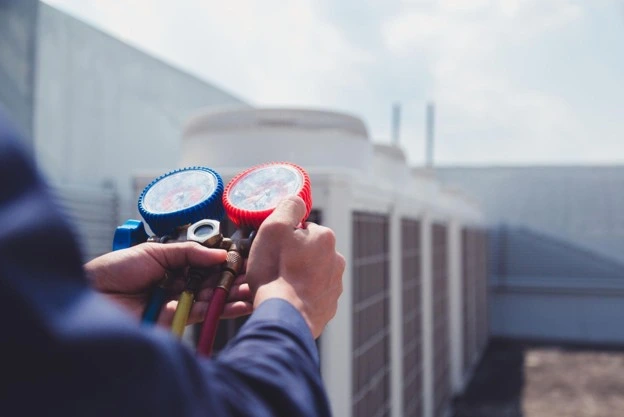
A technician may evaluate:
- Supply and return airflow
- Filter and register condition
- Ductwork and dampers
- Thermostat and sensor placement
- Equipment capacity and operating condition
- Insulation and air leakage
- Solar exposure
- Occupancy and internal heat loads
- Existing zoning and control settings
This approach matters because two rooms with the same temperature complaint may need completely different solutions.
One may need HVAC air balancing. Another may need a duct repair. A third could benefit from HVAC zoning systems, while a sun-exposed room may require attention to the building envelope.
Still dealing with hot and cold spots?
Let Priority AC & Heat identify the cause and recommend the right solution for better airflow and consistent comfort. Contact us today to schedule HVAC service.
What About the 20-Degree HVAC Rule?
The “20-degree rule” is often described as the idea that an air conditioner should be capable of maintaining an indoor temperature about 20°F below the outdoor temperature.
That should not be treated as a universal performance guarantee.
Actual comfort depends on equipment capacity, humidity, insulation, solar gain, airflow, building design, and other conditions. A properly functioning system can still struggle in a particular space if that space has an unusually high cooling load or inadequate airflow.
For commercial properties, the more useful question is not simply whether the indoor temperature is 20 degrees lower than outdoors. It is whether the HVAC system is appropriately designed, distributed, and controlled for the building’s actual requirements.
Fix the Cause, Not Just the Complaint
Persistent temperature differences are worth investigating rather than repeatedly adjusting the thermostat.
Sometimes the answer is straightforward: replace a restricted filter, open a blocked register, repair ductwork, or correct a control setting. Other situations may call for HVAC zoning, air balancing, equipment evaluation, or improvements to insulation and solar protection.
Priority AC & Heat can help commercial property owners evaluate comfort concerns and identify practical HVAC solutions based on the building’s requirements. When offices or retail spaces continue to experience hot and cold spots, effective HVAC zoning and proper airflow management can be part of a broader strategy for more consistent comfort.
Ready for more consistent comfort in your commercial space?
Priority AC & Heat can help with HVAC zoning, airflow issues, and other solutions for offices and retail spaces. Schedule your service today.
FAQs
How do you fix uneven room temperature?
Start by identifying the cause rather than repeatedly changing the thermostat. Depending on the problem, the solution may involve airflow adjustments, duct repairs, air balancing, zoning, control changes, insulation improvements, or equipment evaluation.
What is the 20-degree rule in HVAC?
The 20-degree rule generally refers to the idea that an air conditioner may maintain an indoor temperature around 20°F below the outdoor temperature under certain conditions. It is not a universal guarantee because building design, humidity, heat gain, airflow, and equipment capacity all affect performance.
What factors influence the thermal performance of buildings?
Insulation, windows, air leakage, solar exposure, building orientation, occupancy, internal equipment loads, ventilation, humidity, and HVAC performance can all affect how a building gains, loses, and distributes heat.
What are some common HVAC problems?
Common commercial HVAC issues include restricted airflow, dirty filters, duct leakage, faulty thermostats or sensors, control problems, equipment wear, refrigerant issues, and improperly sized or configured systems.
What is the average lifespan of a commercial HVAC system?
There is no fixed lifespan for every commercial HVAC system. Equipment type, maintenance, operating hours, installation quality, climate, and workload all affect service life. Age should be considered alongside repair history, efficiency, reliability, and ongoing comfort problems.