
Why AC Maintenance Is Even More Important in Humid Houston
13 March, 2026
AC Maintenance Schedule: How Often Should You Service Your Unit?
25 May, 2026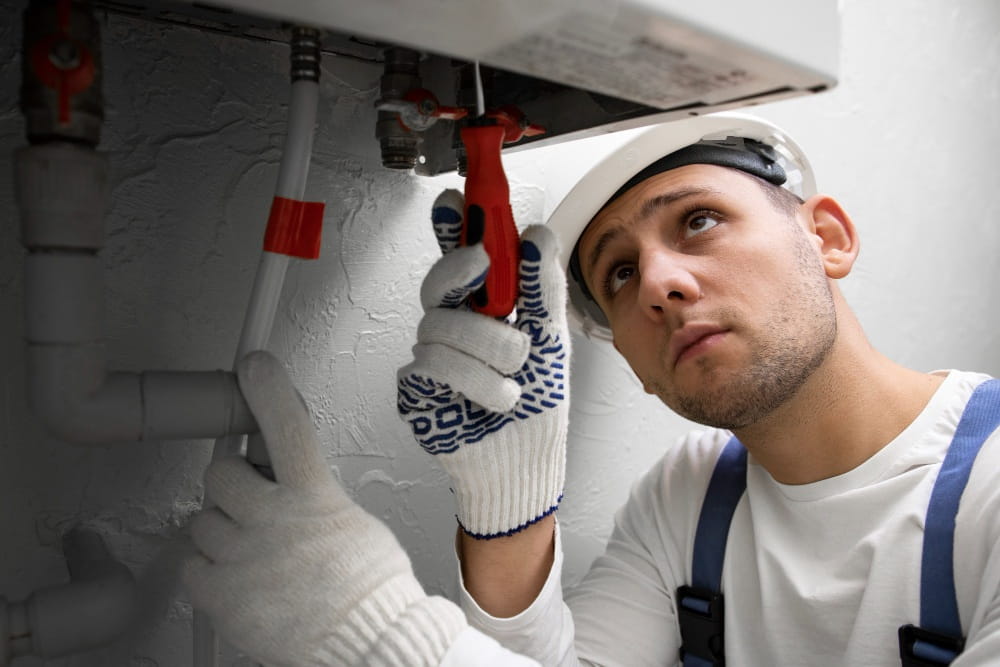
Texas homeowners rely heavily on their heating and cooling systems throughout the year. From the intense summer heat to unexpected winter cold fronts, a dependable HVAC system is essential for maintaining indoor comfort. When problems arise, many homeowners begin searching for answers to questions like what is HVAC repair, what services technicians typically perform, and when professional help become necessary.
Understanding what is considered HVAC repair helps homeowners recognize problems early and avoid larger system failures. In many cases, repair work also involves HVAC duct repair, which ensures proper airflow and efficient system performance. Knowing what to expect during a repair service visit can make the process much easier and help homeowners feel confident when calling a technician.
What Is HVAC Repair?
Homeowners with limited technical knowledge of heating and cooling systems typically start their enquiries with questions about HVAC repair. HVAC repair is the process of diagnosing, repairing, and restoring heating, ventilation, and air conditioning systems that are not working properly.
The technician evaluates the system by testing its essential components, such as:
- Compressors
- Thermostats
- evaporator coils
- electrical connections
HVAC repair encompasses all activities that involve correcting airflow issues, replacing worn parts, and repairing malfunctioning thermostats that prevent proper temperature control.

Common HVAC Problems Homeowners Experience
When homeowners start researching what is HVAC repair, they are usually already experiencing issues with their system. Several problems commonly trigger service calls across Texas homes.
Some of the most frequent concerns include:
- Air conditioners blowing warm air
- Weak airflow from vents
- Unusual noises coming from the HVAC unit
- Higher-than-normal energy bills
- Thermostats failing to maintain temperature
These problems often fall under what is considered HVAC repair because they require a technician to inspect and restore the system’s functionality. Sometimes the root cause involves worn components, while in other situations the problem is related to HVAC duct repair due to leaks or blockages within the ductwork.
Understanding What Is Considered HVAC Repair

Many homeowners believe that HVAC system repairs only require fixing main air conditioning equipment. The term HVAC repair includes more than just the main air conditioning system components. Professional technicians perform repair work which includes:
- Thermostat malfunctions
- Refrigerant leaks
- Electrical issues within the system
- Condenser or evaporator coil problems
The system requires repair work because these parts need to be fixed. Technicians use HVAC (heating, ventilation, and air conditioning) duct repair methods to solve airflow problems that exist in addition to mechanical components.
Duct leaks and loose connections plus damaged insulation create major problems which lead to decreased system efficiency. The term HVAC repair allows homeowners to understand that their system needs mechanical and airflow solutions for proper operation.
The Role of HVAC Duct Repair in System Performance
Air ducts play a major role in distributing heated or cooled air throughout a home. Unfortunately, duct systems are often overlooked when discussing what is HVAC repair.
When ductwork becomes damaged or disconnected, conditioned air can escape before reaching living spaces. This forces the HVAC system to work harder, increasing energy usage and reducing comfort levels.
Technicians performing HVAC duct repair may inspect the entire duct network for leaks, gaps, or insulation problems. Sealing and repairing ducts ensures air travels efficiently through the system.
Because airflow problems can significantly impact performance, HVAC duct repair is often an important part of what is considered HVAC repair during a service visit.
What Happens During an HVAC Repair Service Visit
Homeowners need to learn about the service process before they make service appointments. HVAC repair work becomes less complicated to understand after you learn about the standard procedures that technicians follow during their work.
A professional HVAC technician usually follows several steps:
The technician needs to examine the HVAC system to determine the actual problem which requires repair.
The technician must check all electrical parts together with the thermostat to verify their proper operation. This includes:
- Refrigerant levels and evaluate how well the system circulates air.
- Duct system to determine whether any HVAC ducts require repairs.
- Fix or exchange parts that are not working properly.
Technicians explain which activities qualify as HVAC repair work for the specific issue and review the various solutions available.
Why Professional HVAC Repair Is Important
Some homeowners attempt minor fixes themselves, but professional service is usually the safest choice. HVAC systems contain electrical components, refrigerant lines, and specialized equipment that require technical expertise.
Professionals understand what is HVAC repair and have the tools needed to diagnose problems accurately. Attempting repairs without training can lead to further damage or safety risks.
Certified technicians also identify issues beyond the immediate problem. For example, during a repair visit they may discover airflow issues requiring HVAC duct repair, preventing larger problems in the future.
Homeowners who rely on Professional AC Repair Houston technicians can benefit from faster diagnosis, safer repairs, and longer system lifespan.
Preventing Future HVAC Repair Issues
While understanding what is HVAC repair is helpful, preventing system problems in the first place is even better. Regular maintenance can reduce the likelihood of emergency repairs and improve system performance.
Homeowners can help prevent problems by:
- Replacing air filters regularly
- Scheduling annual system inspections
- Keeping outdoor units free of debris
- Monitoring unusual noises or temperature changes
Maintenance visits also allow technicians to identify early signs of damage. This includes small leaks or insulation issues that may require HVAC duct repair before they escalate into larger problems.
When homeowners understand what is considered HVAC repair, they can recognize warning signs sooner and schedule service before the system fails.
Final Thoughts
HVAC systems play a critical role in keeping Texas homes comfortable throughout the year. When problems occur, understanding what is HVAC repair helps homeowners make informed decisions and respond quickly.
From electrical component failures to airflow problems requiring HVAC duct repair, professional service ensures heating and cooling systems operate safely and efficiently. Recognizing what is considered HVAC repair allows homeowners to address issues early and avoid costly replacements. By working with experienced technicians and scheduling regular maintenance, Texas homeowners can keep their HVAC systems running smoothly while minimizing unexpected repair costs.